

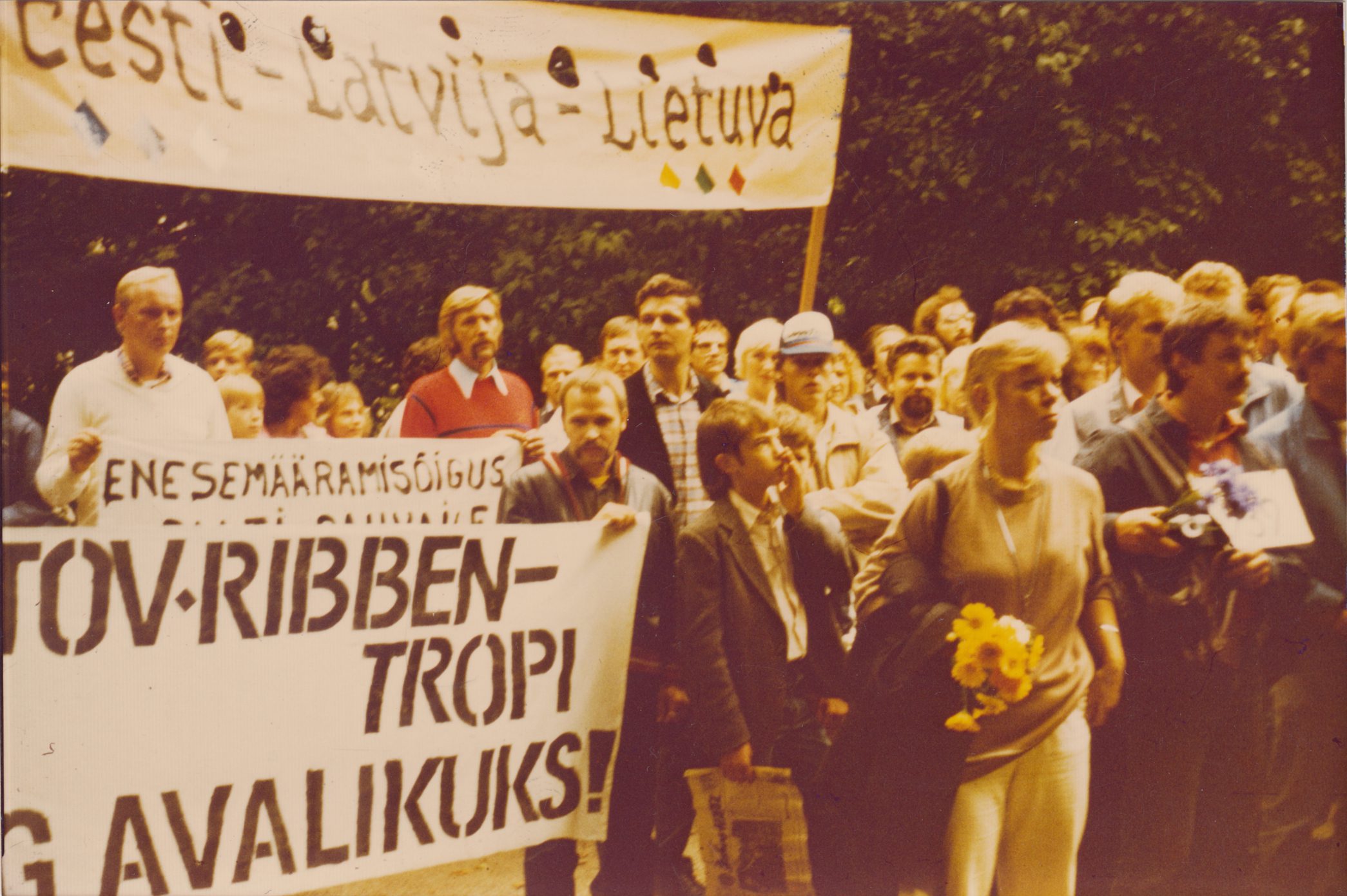
They were not afraid
We remember that the fight was neither easy nor swift. It was a long and painful resistance that didn’t last days or months, but years. The force that brought down the Berlin Wall and lifted the Iron Curtain was not the words of a single leader, but European peoples, including the Estonian people, fought over decades for their liberation.
They hid in the forests, spread forbidden messages and books, organised secret meetings, joined hands in the Baltic Chain, and defiantly sang anti-Soviet slogans at underground punk gatherings. Standing up to a cruel and inhuman regime, they fought for their present and for our future. What is certain is that they fought for the fundamental democratic values that unite all free people in the world: the rule of law, free and fair elections, and the freedom to speak, sing, write, assemble, and make one’s own choices.
Resistance Day is observed on September 22nd to mark the events of the same day back in 1944, when Prime Minister in the duties of the President, Jüri Uluots, appointed Otto Tief’s government in an attempt to restore the Republic of Estonia – a goal that, sadly, did not succeed.
On this day we honour and remember all Estonians who, through word or deed, stood against the occupying powers in order to restore Estonia’s independence and freedom. Many lost their lives, liberty, or health as a result of this fight.
While exploring this material, reflect on the following questions:
- How do personal stories, objects, and memories influence our understanding of historical events?
- What form of resistance to authoritarian power would you choose, and why?
- What values form the foundation of a free society, and why do authoritarian regimes seek to limit these?
- In today’s context, think about what role and responsibilities do you and your generation have in addressing such challenges?
Otto Tief’s jacket, 1950s
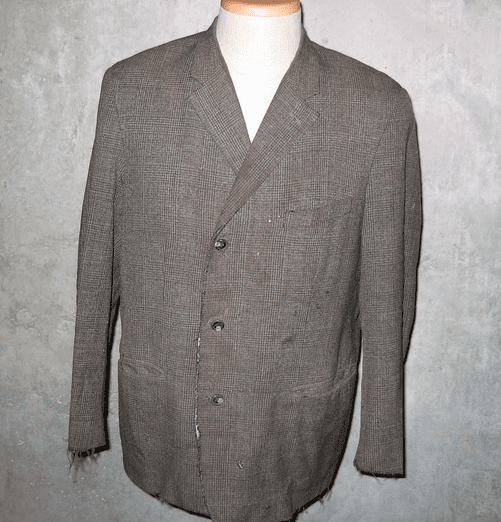
There is a jacket belonging to Otto Tief, dating from the 1950s in Vabamu’s collection. Tief, who served in both the First World War and the Estonian War of Independence, held numerous positions during the Republic of Estonia’s interwar years, including judge, lawyer, member of parliament, and minister.
In September 1944, as German troops withdrew and Soviet forces advanced, an attempt was made to restore the Republic of Estonia. Prime Minister in the duties of the President, Jüri Uluots, tasked Tief with forming a government. In the cabinet he assembled, Tief served as Deputy Prime Minister and Minister of the Interior.
When the Soviet army occupied Estonia, most members of the government did not manage to flee to Sweden, and in October 1944 Tief was arrested by the NKGB. The Military Collegium of the Supreme Court of the USSR sentenced him to ten years’ imprisonment. Tief survived the harsh years in prison camps and died as an old man in Estonia.
The significance of Otto Tief’s government lies in its role in maintaining the uninterrupted legal continuity of the Republic of Estonia.
Different forms of resistance
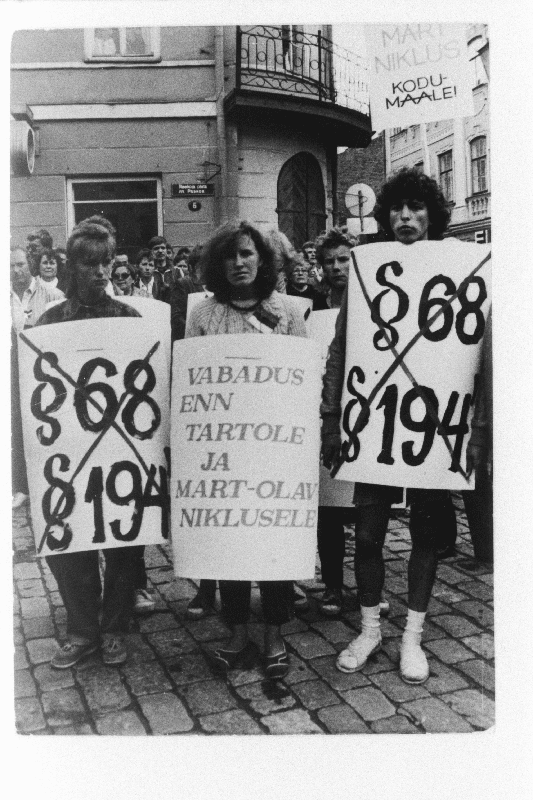
The Estonian Institute of Historical Memory opened an e-exhibit the history of anti-Soviet resistance from 1940 to 1991, dedicated to the 30th anniversary of Estonia’s restoration of independence.
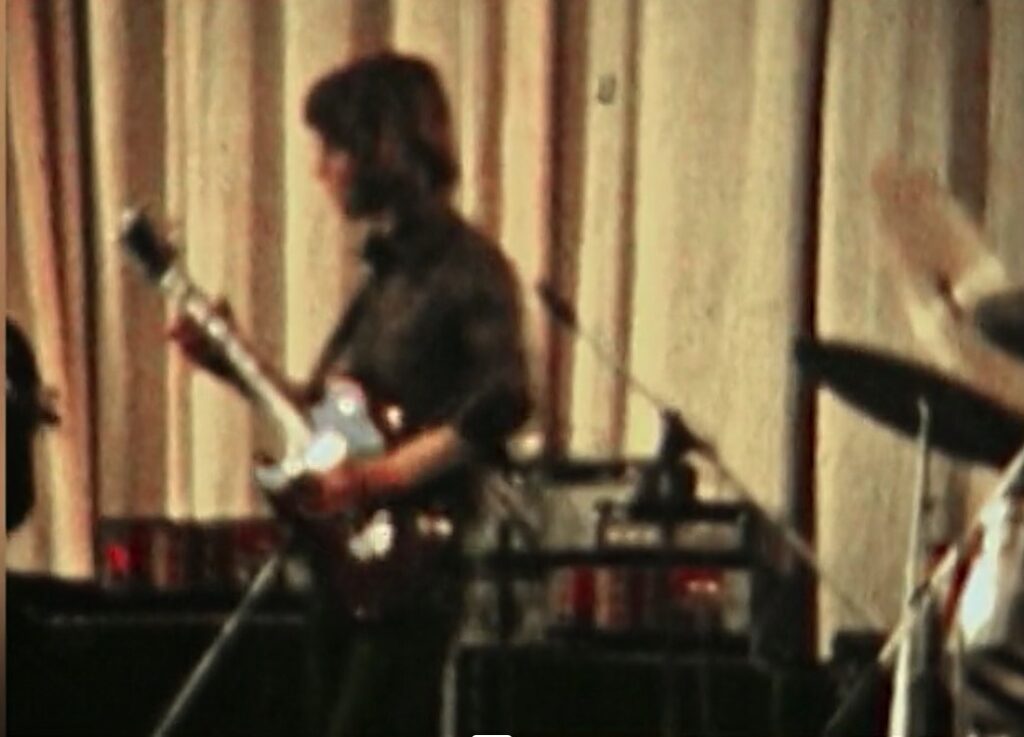
Music as a form of protest is featured in exclusive video footage in the 2012 documentary “Forbidden Games”, which tells the story of music festivals banned during the Soviet era.
And, of course, the immortal punk-perestroika anthem: