

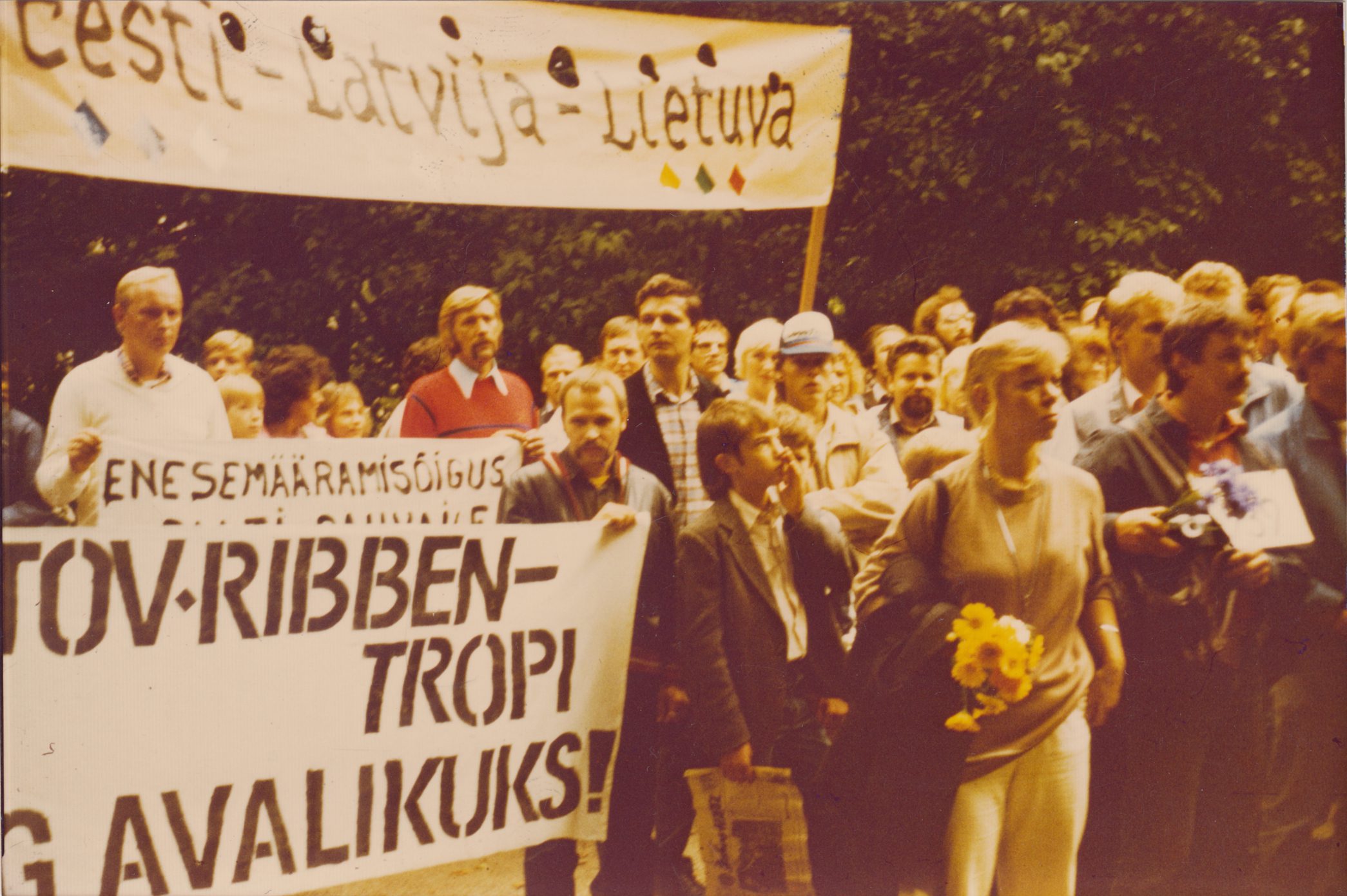
Why analyse (not only historical) photographs?
Photographs play a special role in understanding history. They are often not neutral but reflect someone’s perspective or carry a deeper message. Each viewer may also bring their own interpretation to an image, shaped by their personal view. In historical research, photographs can therefore be approached in different ways. Here we present one possible methodological process, as analysing historical photographs can deepen our understanding of the past, broaden our knowledge of the world, and inspire reflection on our own place and time in history.
Why are photographs valuable sources in historical research?
- Historical photographs provide valuable visual evidence of past events, as well as cultural and social practices. Analysing them helps us better understand the context in which historical events took place.
- They play an important role in preserving cultural memory. Studying historical photographs helps to preserve and pass on information about the past to future generations.
- Photo analysis can reveal how historical events affected the everyday lives and experiences of ordinary people, showing changes in customs, technologies, and social relationships over time.
- Analysing photographs develops critical thinking skills, enabling us to examine and interpret information more effectively.
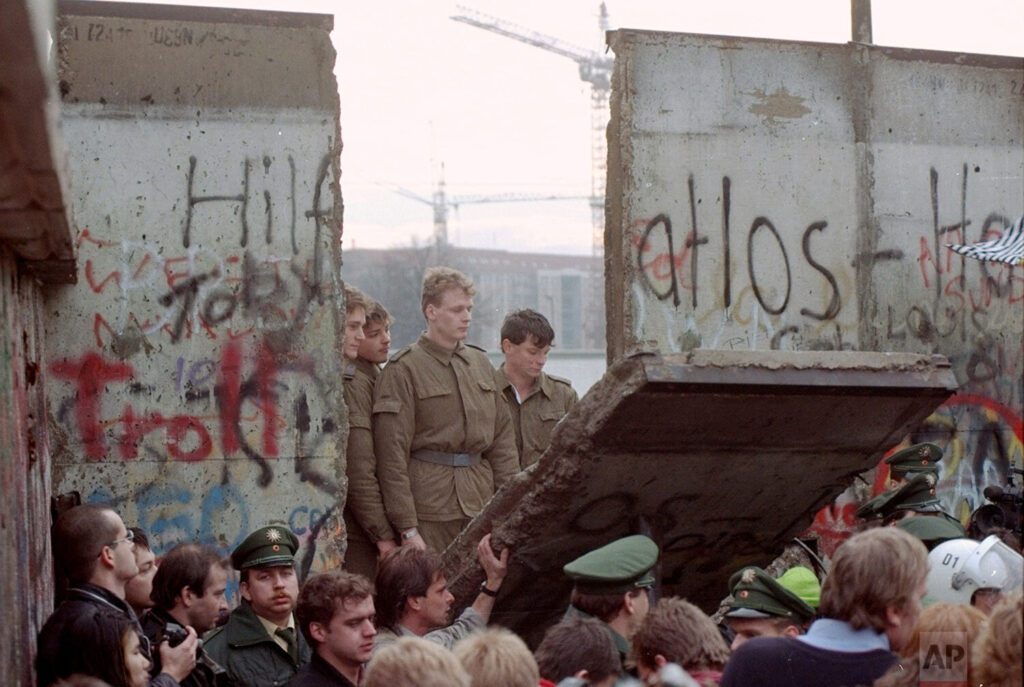
How to analyse (not only historical) photographs?
- Basic information about the photograph. Begin by gathering essential details about the image, including the date and location it was created. Check for captions or other textual information linked to the photograph. If the image is online, examine its associated metadata*.
- Composition. Analyse the photograph’s composition, considering elements such as framing, perspective, lighting, and focus. How do these contribute to the overall mood? Identify the main focal points in the image such as people, objects, or scenes.
- Historical and media context. What events, social conditions or cultural norms are connected to the photograph? Which visual cues, gestures, or symbols convey the spirit of the time, an ideology, or cultural values? Was the image published in the media?
- Assess possible prejudices and the impact on the viewer. Think of the viewpoints that might have affected the creation and intake of the photo. How could this photo have affected the public opinion at the time of its creation and how has it affected long-term understanding of historic events?
- Comparative analysis. Compare the photograph with other visual or textual sources from the same period or related events. How does this image add new meaning to our understanding of that period or event?
*How can I find a photo’s metadata?
A step in photo analysis can be the EXIF DATA method. By checking this information, you can discover a photograph’s metadata, such as its technical specifications, camera model, focal length, date and time, and location (geolocation) etc. If geolocation was enabled at the time of shooting, you can copy the coordinates into Google Maps to find the exact location where the image was taken. To verify the site, you can open Street View (by clicking on the yellow figure) and compare the surroundings with what is shown in the photograph.
Many free websites offer EXIF DATA search tools, for example:
View Metadata (metadata2go.com)
Online photo metadata and EXIF data viewer | Jimpl
History being made in front of reporters
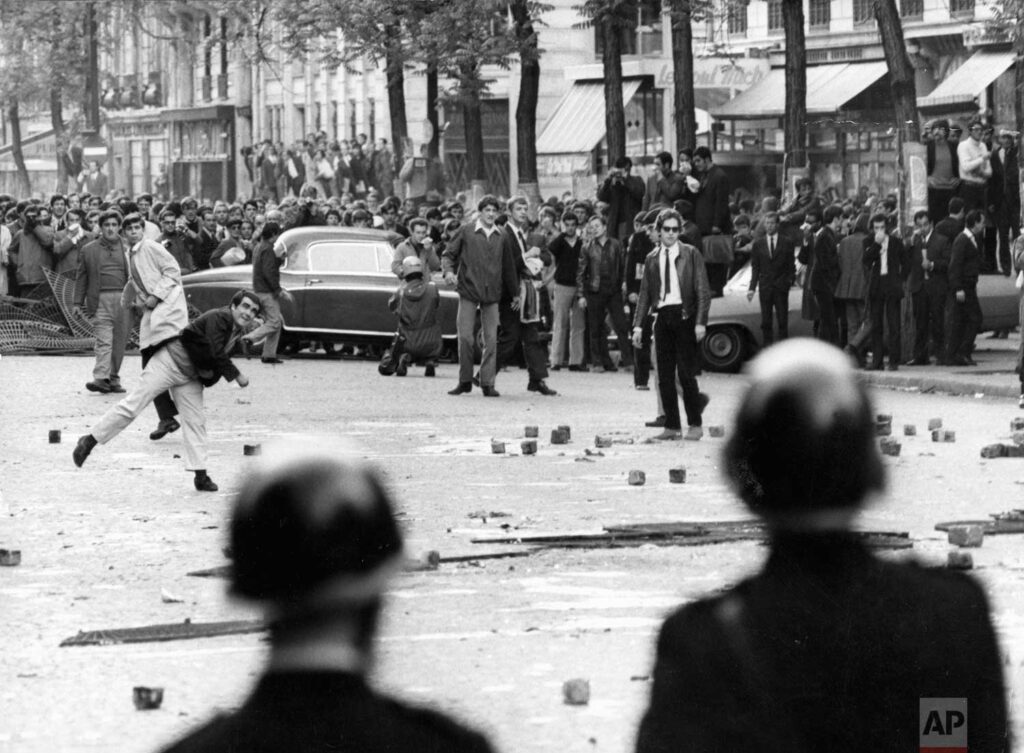
Student demonstrators throw stones at police on 1 May 1968 in Paris, France. (AP Photo)
The Associated Press (AP) blog features many iconic images capturing events, people, and eras. AP photographs are renowned for their high quality and swift coverage of breaking news. Many have become part of journalism’s “gold standard” and are used by media outlets around the world.
For educators
How to conduct a photo analysis lesson (in 5 Steps)
- Step 1. Select a photograph for analysis. Choose an image that clearly- whether intentionally or unintentionally -reflects a particular opinion, viewpoint, ideology, or perspective.
- Step 2. Share the photograph and worksheets (either individually or in groups).Provide a printed copy, display it on a screen, or share a link. Ask students to examine the image closely, paying attention to details such as composition, colours, and the placement of people and/or objects. Have them briefly describe the image on the worksheet.
- Step 3. Ask whether there are any questions or comments. Before beginning the written analysis, ask whether students have additional questions about the photograph. Take time to discuss the broader historical context.
- Step 4. Independent work, either in groups or individually. Completed worksheets can be used as a prompt for in-class discussions or as written homework.
- Step 5. Post-analysis discussion. Students read out their responses, and others may add comments. You should be prepared to offer your own interpretation to the students, supporting it with specific visual elements from the image.