

Estonians in America between the two world wars: One family’s story
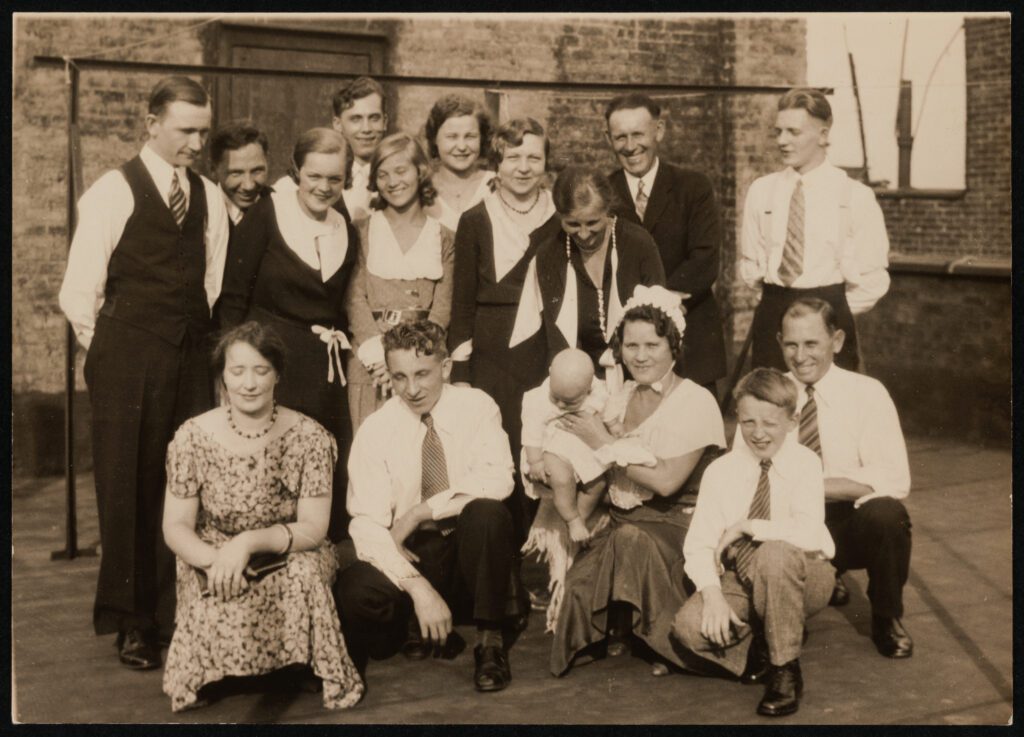


On July 28, 1922, the United States legally recognized Estonia as an independent nation. At the time, it is estimated that up to 60,000 people of Estonian heritage lived in America, although accurate figures are unknown because Estonians were counted as Russians during the 1920 U.S. census. In 1924, the Johnson-Reed Immigration Act drastically reduced the number of Estonians permitted to enter the United States, a factor that may have influenced the timing of Peeter Trei’s arrival in 1923 through Ellis Island, New York.
By 1932, Meie Tee, the magazine of the New York Estonian Educational Society, reported that about 4,000 Estonians lived in New York City, which became the center for expatriates in America. Alice and Peeter Trei were two of the immigrants who helped build this community. After World War II, Estonian refugees who came to the United States began calling the earlier immigrants “Old Estonians.”
In 1987, Alice Trei was interviewed in New York City by her son, Alan, about her early memories. Excerpts from the taped conversation are shown in italics.